
Feed the Cat… Better
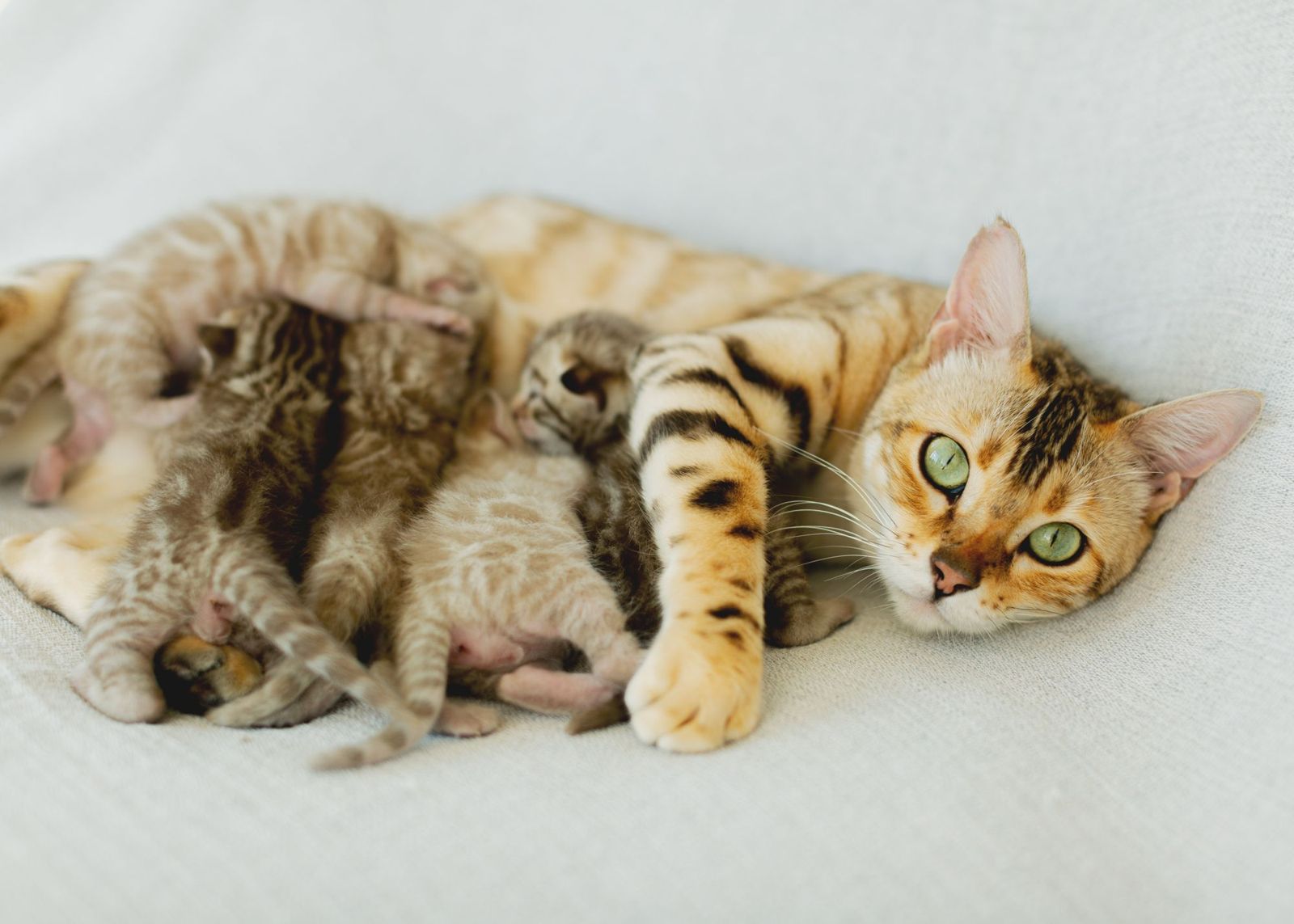
Cats are obligate carnivores, so most feeding advice written for dogs and people misses them. Every cat needs the same foundations: high animal protein, plenty of moisture, ingredients you can trace and a steady routine. Bengals just show it faster when something’s off.
The guides
From our kitchen to yours
Digital downloads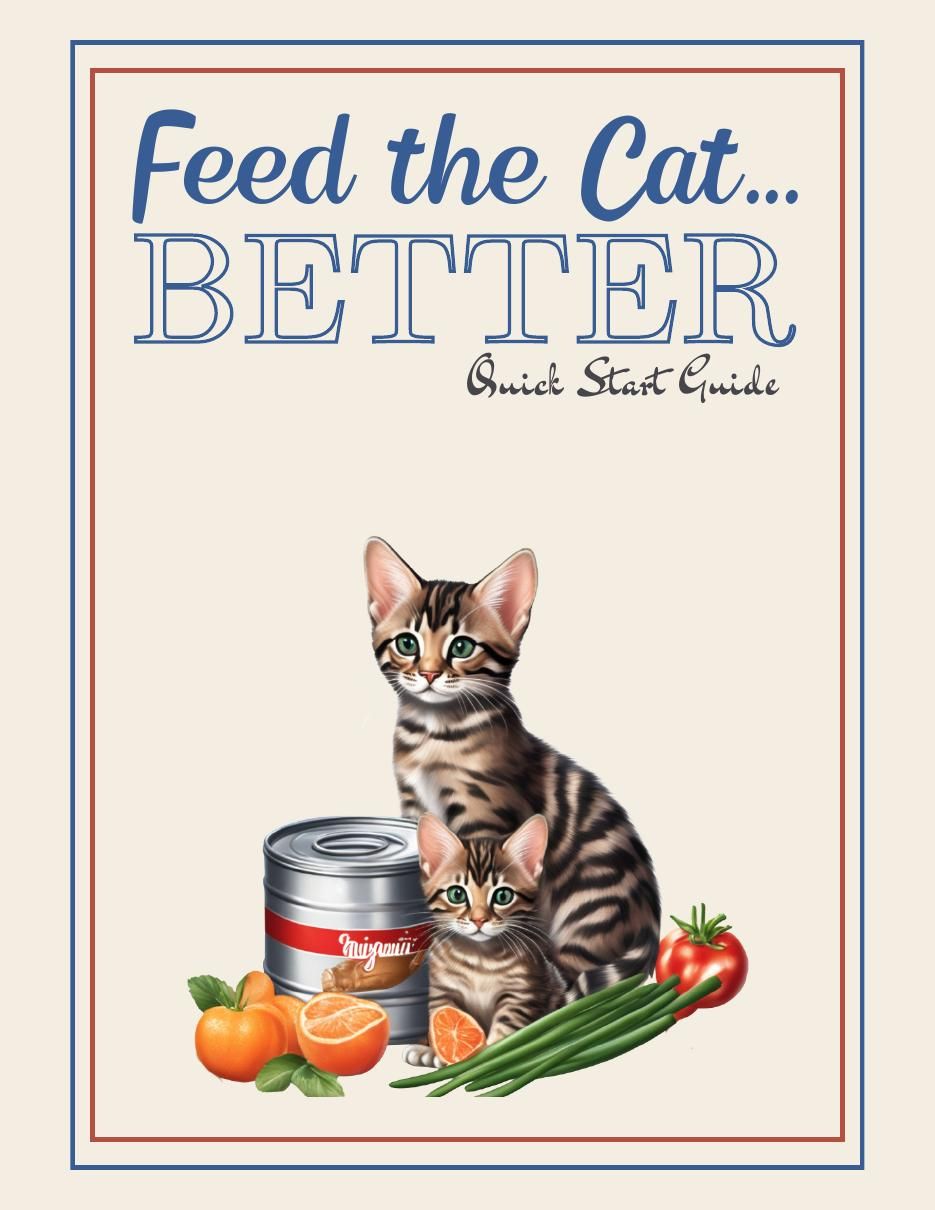
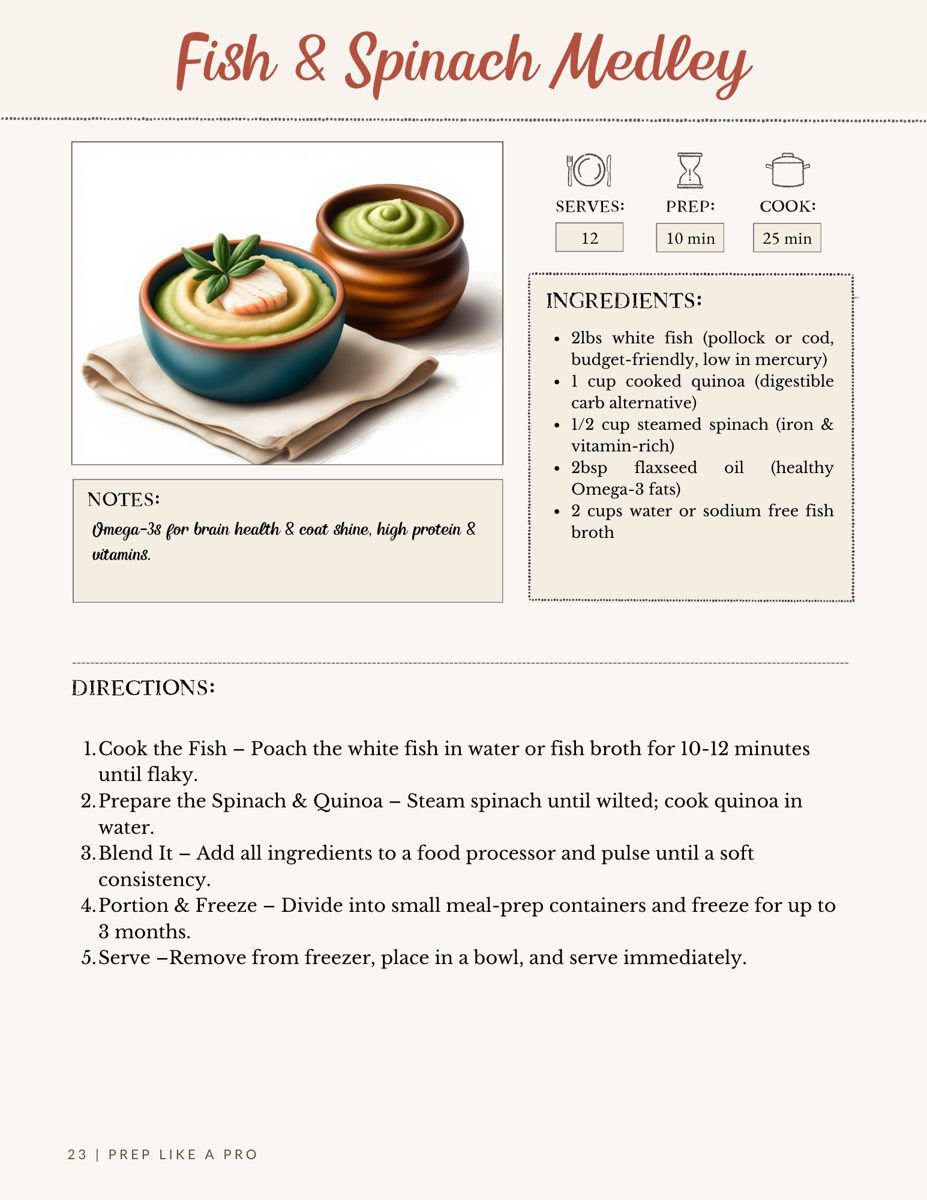
Feeding, one-on-one
Personal guidance on your cat’s diet and routine. It’s education, not a replacement for your vet.
See the servicesAsked every week
How do I introduce homemade food?
Slowly. Blend the new food into the old over seven to ten days so digestion has time to adjust.
Which supplements does a homemade diet need?
At minimum, taurine and a calcium source. Anything beyond that depends on the recipe.
Cooked or raw?
Cooking lowers the risk from pathogens. Either way, a homemade diet only works when it’s formulated precisely.
Do Bengals need a special diet?
All cats share the same core needs. Very active cats like Bengals do better with more frequent meals and close attention to protein quality.
Is homemade better than commercial food?
Neither wins every time. Ingredient quality, balance and consistency matter more than the label.