
Journal / Nutrition
How to Transition Your Cat to a New Diet
January 3, 2026 · 3 min read
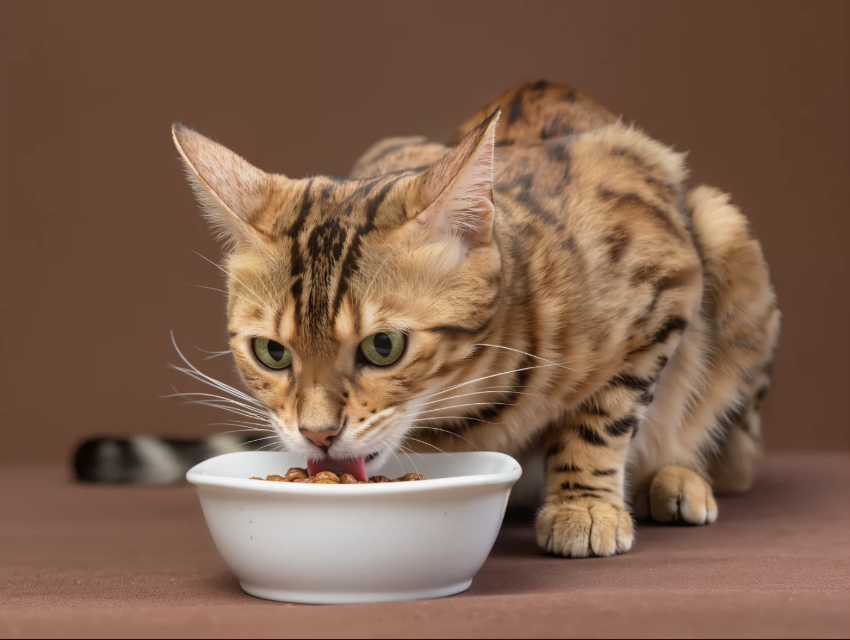
Without stomach upset, food strikes, or drama
Switching a cat’s food is one of the most common places where things go wrong. Not because the new food is bad, but because cats are biologically wired to resist sudden change. When transitioning your cat to a new diet, consistency matters…
If you have ever tried to “just switch” foods and ended up with refusal, vomiting, loose stool, or a cat staring at you as you’ve betrayed them, this article is for you.
Cats do not adapt quickly to new diets. Their digestive systems expect consistency, predictability, and repetition. When that rhythm is disrupted too fast, the body reacts.
The goal of a transition is not speed. It is acceptance.
Why Cats Need a Slow Transition
Cats have:
- Short digestive tracts
- Highly specific gut bacteria
- Strong food imprinting
A sudden change in protein, texture, moisture level, or fat content can overwhelm their system. This is why even high-quality food can cause issues if introduced too quickly.
This applies whether you are moving from:
- Dry to wet food
- Commercial to homemade
- One protein to another
- Kibble to cooked or raw
The transition process matters more than the destination.
The Golden Rule to a Healthy Cat Diet Transition
Never Replace Everything at Once
Cats do best when new food is introduced gradually and predictably. This gives the gut time to adjust and allows you to observe how your cat responds.
Here is the safest, most reliable method.
The 7–10 Day Transition Method
Days 1–2
25% new food75% current food
Mix thoroughly so your cat cannot eat around it.
Days 3–4
50% new food50% current food
This is where many cats show early signs of sensitivity. Stay here longer if needed.
Days 5–6
75% new food25% current food
Stool should remain formed. Appetite should be normal.
Day 7 onward
100% new food
If at any point you see vomiting, loose stool, or refusal, pause. Do not push forward. Go back one step and hold for another day or two.
There is no prize for finishing early.
Texture and Temperature Matter More Than You Think
Many cats reject food not because of ingredients, but because of:
- Texture changes
- Food being too cold
- Lack of aroma
Helpful tips:
- Serve food at room temperature
- Mash or finely chop new food at first
- Add a teaspoon of warm water or broth to increase aroma
- Keep bowl shape and feeding location the same
Small details create familiarity.
How Often to Feed During a Transition
Cats tolerate new food better when meals are smaller and more frequent.
For most adult cats:
- 2 to 3 meals per day minimum
- High energy breeds may need more frequent feeding
Consistency matters more than volume. Try to feed at the same times each day.
If feeding schedules are new to you, our Quick Start Guide walks you through this step by step if you are thinking of switching to homemade meals.
Common Transition Mistakes to Avoid
- Skipping straight to 50% new food
- Switching proteins and formats at the same time
- Using treats to “force” interest
- Free feeding during the transition
- Panicking and switching again too quickly
Too many changes at once make it impossible to know what caused the issue.
Transitioning to Homemade or Cooked Food
Homemade food requires even more intention.
When transitioning to cooked meals:
- Start with one simple, familiar protein
- Avoid introducing multiple recipes at once
- Ensure taurine supplementation from day one
- Keep portions small at first
When to Pause or Call Your Vet
Stop the transition and seek guidance if you see:
- Persistent vomiting
- Diarrhea lasting more than 48 hours
- Complete food refusal
- Lethargy or weight loss
A slow transition should never cause distress.
The Takeaway
Transitioning your cat’s diet is not about willpower or convincing them. It is about respecting feline biology.
Slow changes protect:
- Digestion
- Hydration
- Gut health
- Long-term acceptance
If you want a simple, repeatable framework that removes guesswork to begin a home-cooked regime, start with the Quick Start Guide and graduate to the full feeding system inside Feed the Cat… Better, which contains 36 original recipes.
→ Quick Start Guide→ Feed the Cat… Better – Full Book
Feed slowly. Observe carefully. That is how cats learn to trust the bowl again. 🐾